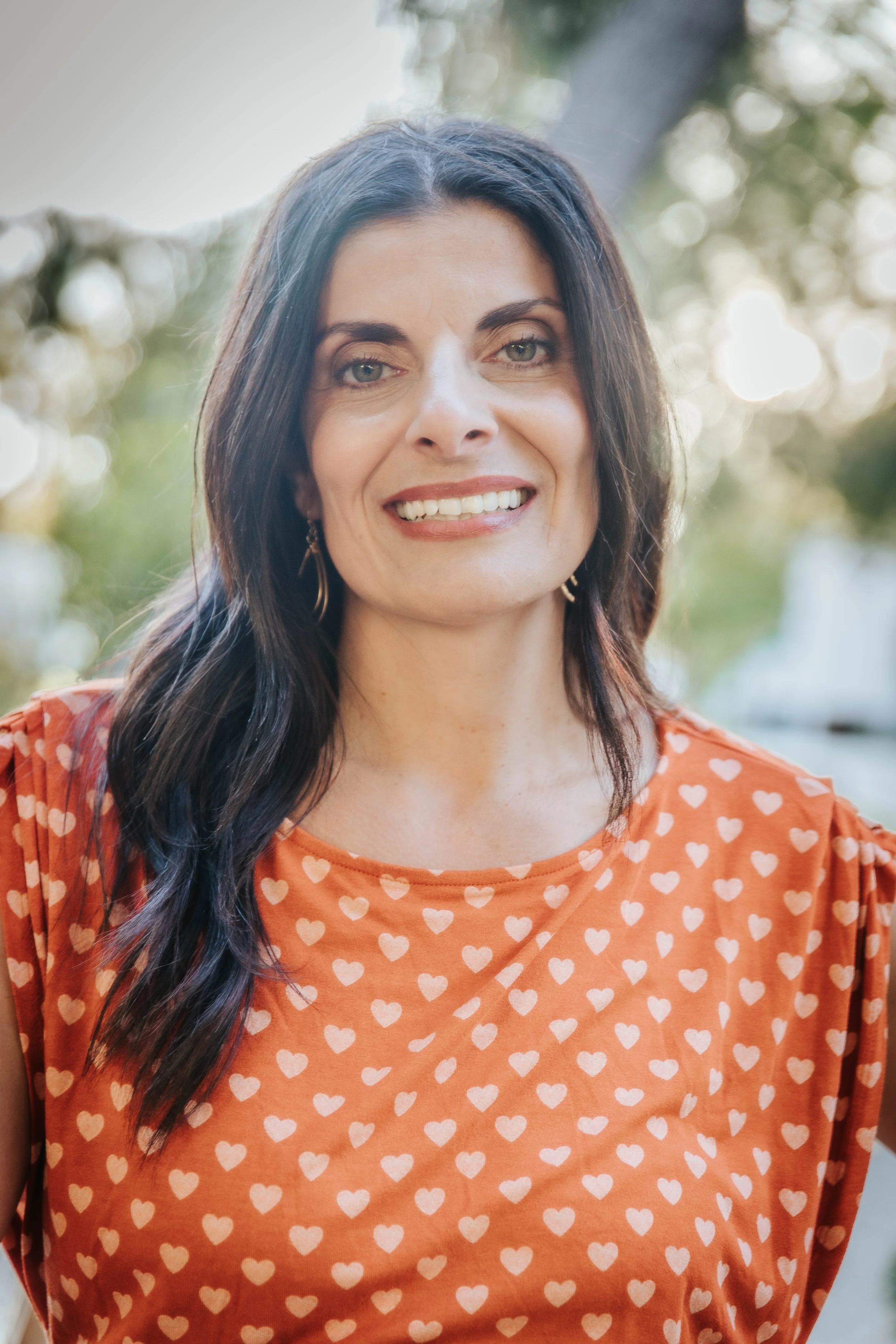
ABout Me
I am an Indigenous Palestinian and Lebanese cisgender woman, an immigrant to the United States, and the daughter of displaced parents. The intergenerational stories of war, displacement, and resilience were ever-present in my upbringing — shaping not only who I am but how I hold space for others. These experiences taught me the importance of being seen, heard, and understood, especially for those whose voices have been silenced or overlooked.
From a young age, I’ve felt called to bring voice to the voiceless and to hold space for those navigating identity, belonging, and healing. My own encounters with judgment, racism, and misunderstanding have deepened my empathy and my belief that healing begins when we can show up as our full, authentic selves — without fear of rejection.
With over two decades of experience in the mental health field, I bring a therapeutic style rooted in authenticity, transparency, and cultural humility. Working closely with families in their own homes taught me that every story is shaped by unique histories, relationships, and cultural contexts. As a solo parent, I have a particular passion for supporting other solo and co-parents and for helping children and families move through the complexities of separation and change with compassion and stability.
As a lifelong learner, I see therapy as an ongoing practice of (un)learning and (re)learning — a process that invites curiosity, challenges biases, and nurtures growth. I am continually engaging in my own self-reflection, acknowledging the intersections of power, privilege, and identity that influence our shared space.
My hope is to create a therapeutic environment where BIPOC, immigrant, and multicultural clients feel safe, seen, and valued — a space where your experiences are honored, your story is welcomed, and your healing unfolds at your own pace.
My Approach
My biggest priority in therapy is to provide a safe space for you to speak freely and share your stories, identities and lived experiences. I love working with others who have felt like outsiders, especially BIPOC, solo parent, immigrant, LGBTQIA2S+ communities. If you speak Arabic, Spanish, and Spanglish, you are welcome!